New Year’s Eve carries an assumption of safety. It is a cultural pause, a night defined by lowered guards, good spirits, and the belief that whatever comes next might be better than what came before. In comics, that assumption becomes a target.
When a story unfolds against the backdrop of New Year’s celebration, the darkness sharpens immediately. The idea of a promised fresh start being torn away at the last possible moment adds a deliberate cruelty. These are not deaths designed to shock through excess. They are engineered to undercut hope itself.
Over time, New Year’s Eve has become a narrative signal. Readers have learned that if a comic chooses this night, something irreversible is coming. Midnight is not just a time marker. It is a line the story dares its characters to cross. The fireworks go off, the year turns, and instead of renewal, something is taken that cannot be replaced.
What matters here is not calendar accuracy, but impact. A death does not need to occur precisely at midnight to qualify, but it must be shaped by the transition itself. The turning of the year has to matter to how the moment lands. Whether it happens during celebration or in its immediate aftermath, the effect is the same. A life ends just as a new trajectory is supposed to begin.
That is why these deaths linger. They do not merely end lives. They deny the fantasy of a clean slate. New Yea’s Eve deaths in comics do not surprise us. They weaponize expectation, using the promise of renewal as something deliberately taken away.
#5 — Karen Page
Daredevil: Guardian Devil
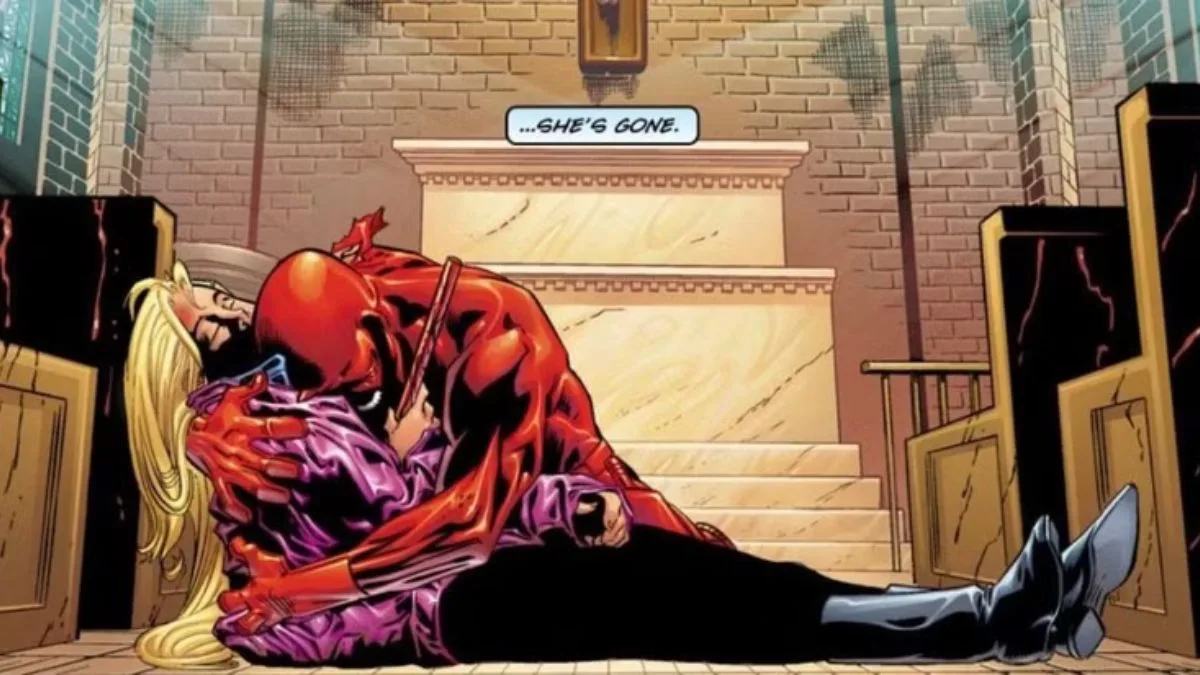
The moment is deliberately unceremonious. Karen Page’s death arrives not in spectacle, but in exhaustion. It is the quiet collapse of someone who believed she might finally be allowed a fresh start. The story sits at the edge of a new year, a liminal space where endings are meant to give way to renewal. Instead, the ground simply disappears.
What New Year’s Eve adds here is absence. The promise of reinvention hangs in the air but never materialises. This is not a death that interrupts celebration at midnight. It exposes the lie beneath it. The calendar suggests absolution, forgiveness, grace, reset, and the story refuses all three. The loss feels final not because of when it happens, but because of what should have come next and does not.
What changes is Daredevil’s emotional landscape. Karen’s death does not drive Matt Murdock toward vengeance so much as it strips away the idea that suffering leads to clarity. The new year opens with no moral balance sheet, no lesson neatly learned. This is not an ending. It is a forced beginning, defined by absence and guilt. Some losses do not arrive with fireworks. They simply happen, and the year moves on.
#4 — Captain Marvel (Mar-Vell)
The Death of Captain Marvel
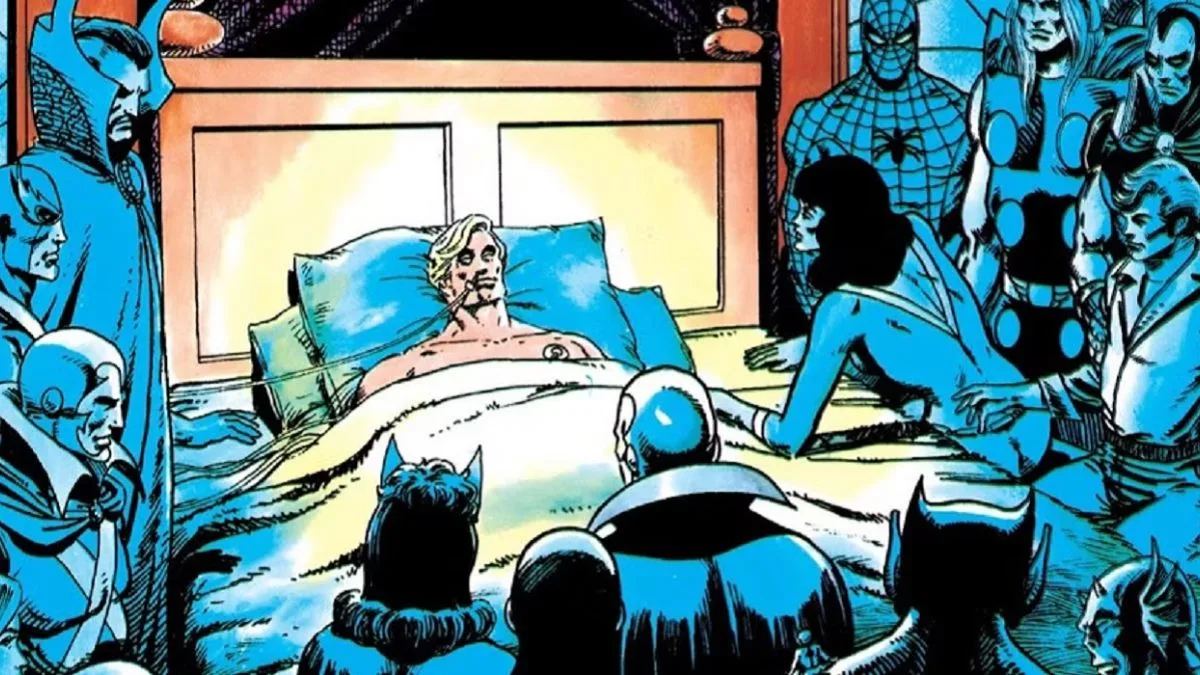
The moment is defined by stillness. Mar-Vell’s death does not come in battle, but in quiet acceptance. A hero lies confined to a bed while the universe continues beyond the room. The story unfolds at the threshold of a new year, when endurance is supposed to be rewarded and survival mistaken for victory. Instead, the calendar turns and nothing is saved.
What New Year’s Eve adds is inevitability without spectacle. There is no interruption of celebration, no violence timed for shock. The cruelty lies in contrast. As the world prepares to move forward, Mar-Vell is left behind. Renewal exists everywhere except where it is needed most. The new year does not mark a beginning. It confirms that some endings arrive on schedule, indifferent to heroism.
What this death changes is the language of loss in superhero comics. Mar-Vell’s passing reframes courage, replacing triumph with acceptance and permanence with absence. The year that follows is not shaped by revenge or revelation, but by the understanding that not every hero gets a second act. This is a forced beginning for the universe around him, one that continues without the comfort of reset.
#3 — The Joker
Detective Comics #741
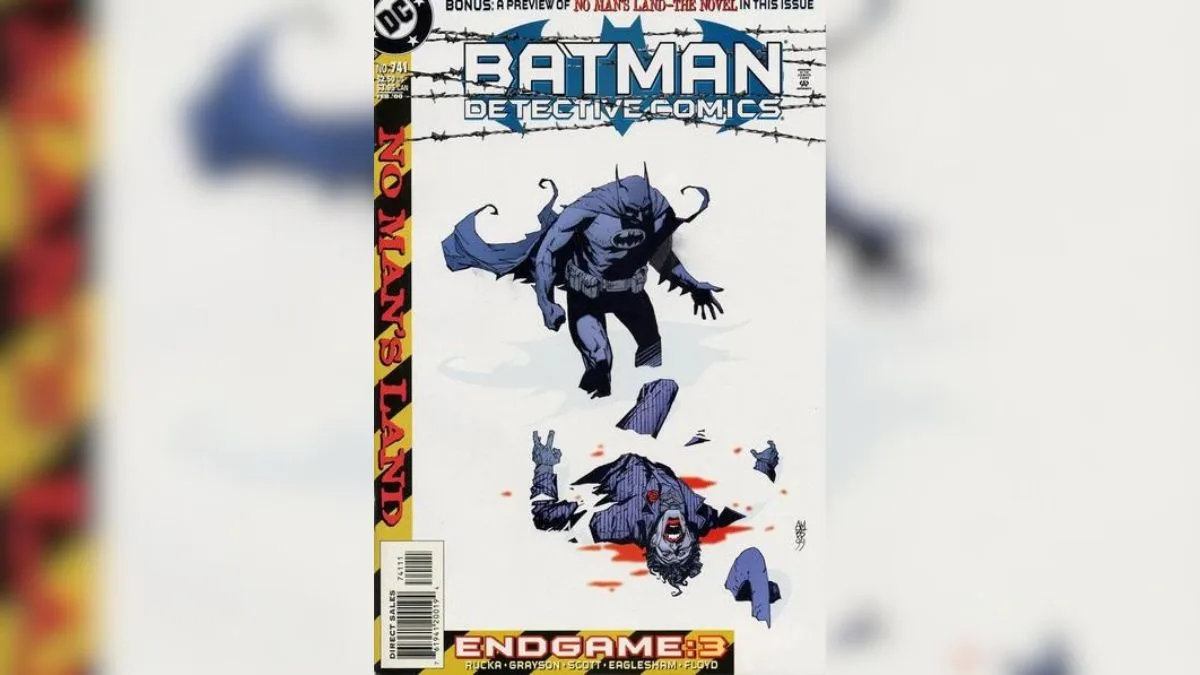
The moment unfolds as spectacle rather than surprise. Gotham is deep in its New Year’s Eve rituals, noise, colour, distraction, when the Joker places himself at the centre of it all. This is not a death hidden in shadow. It is staged, timed, and presented as entertainment. Even before it happens, the city has already wandered into his frame.
What New Year’s Eve adds is permission. Celebration lowers defences, both literal and moral. The Joker understands this instinctively. Midnight is not just a deadline. It is a cue. The apparent death folds into the theatre of the night, blurring performance and consequence. Whether it lasts is beside the point. The act mocks the idea that a new year represents a clean break.
What this changes is tone rather than continuity. Gotham enters the next year reminded that its worst figure is not driven by chaos alone, but by timing. The Joker does not merely disrupt hope. He choreographs its collapse. The forced beginning that follows is not about grief, but unease. It is the knowledge that renewal can be hijacked and repurposed.
#2 — Jean DeWolff
The Spectacular Spider-Man
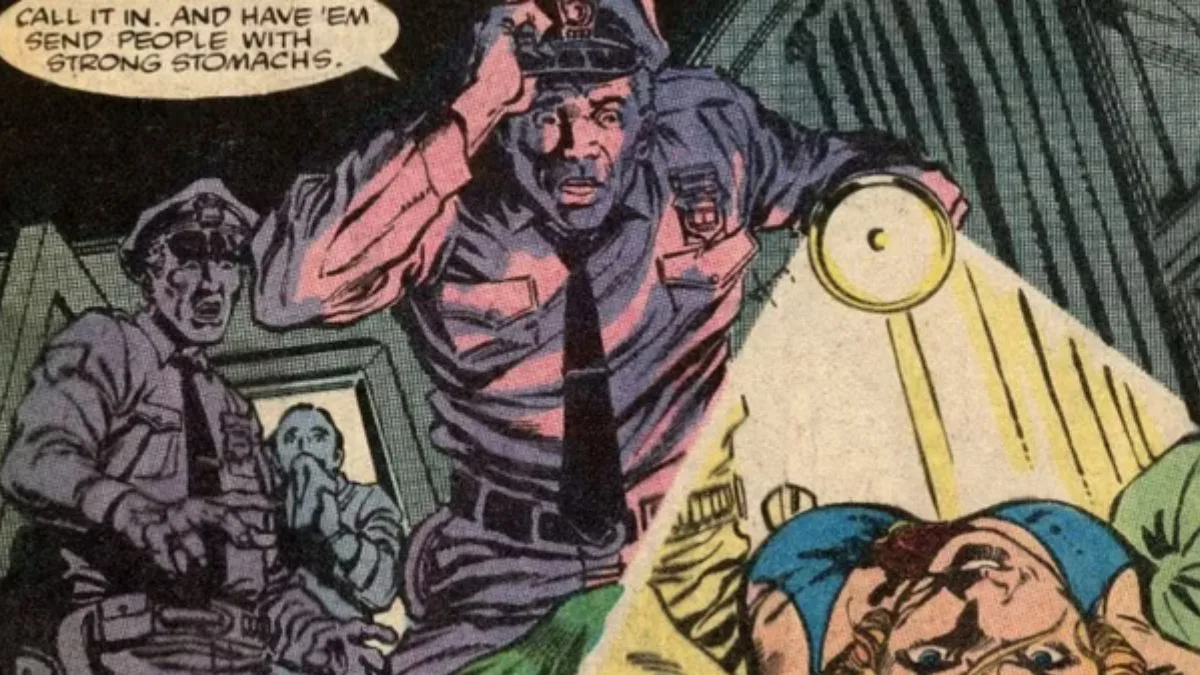
The moment arrives with brutal indifference. New York is deep in its New Year’s Eve rhythm, crowded streets, distracted people, a city already leaning toward tomorrow, when Jean DeWolff is murdered off-panel, without warning or ceremony. The calm before the act is not peaceful. It is careless. The world assumes it is safe to look away, and that assumption costs someone her life.
What New Year’s Eve adds is moral exposure. This is a night built on lowered guards and shared optimism, and the Sin-Eater exploits it completely. The timing strips Spider-Man of preparedness, both physical and ethical. There is no buffer between loss and response. Midnight does not usher in renewal. It forces confrontation, dragging Peter Parker into a year that begins with rage rather than resolve.
What this death changes is Spider-Man’s moral footing. DeWolff’s murder fractures his certainty about justice and restraint, pushing him toward a line he never intended to cross. The year that follows is defined by tension rather than hope, a forced beginning where ideals are tested under pressure. This is not just the loss of an ally. It is the moment Spider-Man realises even his principles are not immune to timing.
#1 — Rorschach
Watchmen #12
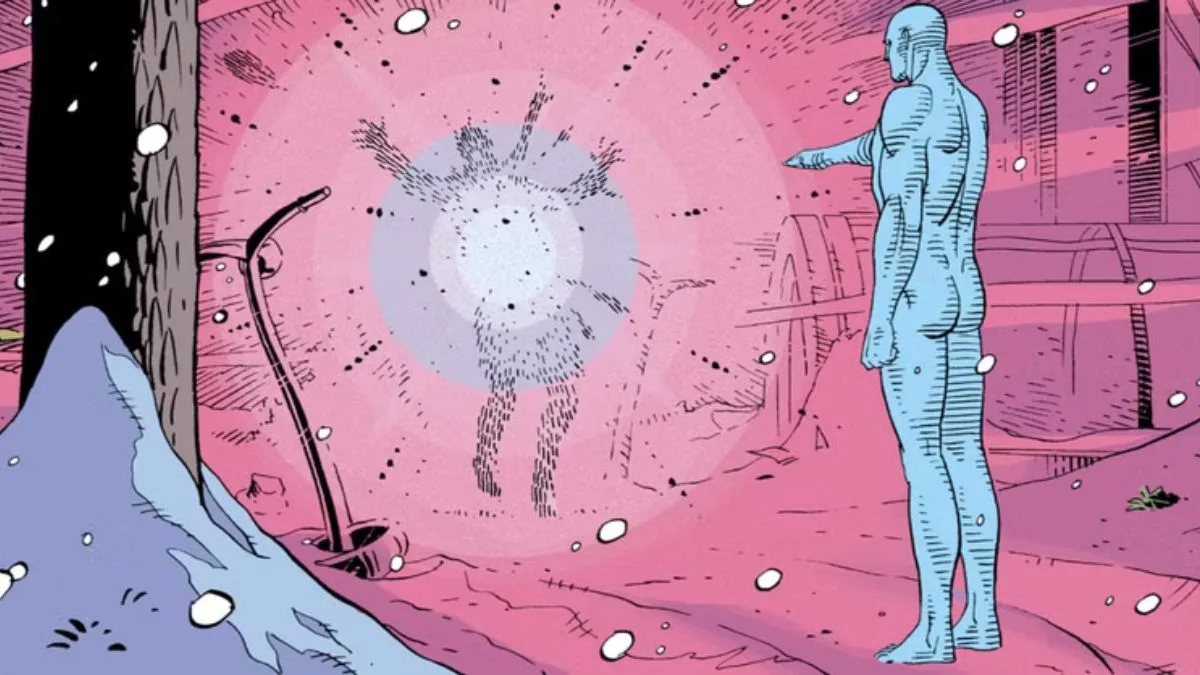
The moment is stark and unadorned. Far from celebration, Rorschach stands in the frozen quiet of Antarctica as the world prepares to cross into a new year built on survival rather than truth. Midnight is imminent elsewhere, marked by fireworks, relief, and belief that catastrophe has been averted. Here, there is only a decision waiting.
What New Year’s Eve adds is finality. This death cannot occur at any other moment without losing its meaning. The year must turn for the lie to hold. Rorschach’s refusal to stay silent makes him incompatible with the world about to begin, and the timing makes that incompatibility absolute. Renewal is conditional, and the condition is his absence. The calendar does not frame the death. It demands it.
What this changes is everything. Rorschach’s death is the price of peace, a forced beginning for a world that can only move forward by erasing dissent. The new year opens not with hope, but with compromise disguised as stability. There is no private grief to process, no recovery to attempt. This is New Year’s Eve as moral execution. The future is secured by deciding who is not allowed to exist within it.
What These Deaths Share
Across publishers and decades, these deaths share a refusal to comfort the reader. New Year’s Eve is not a backdrop for tragedy, but a tool to deny it familiar meaning. Each death arrives when stories usually promise renewal and insists on consequence instead.
What links these moments is not scale, but timing. These characters are removed at the instant the future is supposed to open up. Hope is visible, almost tangible, and that visibility is what makes its removal hurt. New Year’s Eve turns death into subtraction rather than shock.
None of these deaths offer closure. They do not resolve arcs so much as redirect them, forcing characters, and in one case an entire world, into futures they did not choose. The new year does not heal anything. It demands adaptation.
That is why these moments endure. New Year’s Eve remains such a potent narrative weapon not because it marks time, but because it decides how the future begins, and who is allowed to carry it forward.