
Frankenstein (2025 succeeds) at reanimating classical novel adaptations by giving the genre just the right amount of voltage.
Movies are meant to emulate a sense of otherworldliness.
Whatever their genre, we build them into fantastical castles to hide in for as long as the runtime allows and then we are thrust back into the embrace of reality. Then, one of two things happens – we either stomach what we saw quickly and never think about it again, or it engraves itself at the back of our head and we exist with it. Most filmmakers strive for the second.
However, films nowadays exist on the battlefield of mainstream media, fighting not for your approval, but your withering attention span. With the figurative goal post of cinema forcefully shifted and prices skyrocketing, it is more and more difficult to sift out the movies worth visiting the cinema for. In 2025 this notion is excessively glaring. So when a special set of unfortunate circumstances lined up in the most fortunate way, I caught a screening of the new Frankenstein movie by Guillermo Del Toro, starring Oscar Isaac as Victor Frankenstein and Jacob Elordi as The Creature.
The criminally limited theatrical run for a movie as grand as this intrigued me to no end. The journey to the tickets was gruelling and characteristically windy for London, but I was set in my resolve to see it. It called to me like a siren to a desperate sailor. What I did not know as I settled in with my popcorn and single glass of tap water, was that Guillermo Del Toro had no interest in allowing me to sit idle in my fantastical castle made out of gothic scenes and romantic dialogue. He threw me in the perplexing slums of existentialism and the very notion of what makes ‘a man’, and I have sat there ever since.
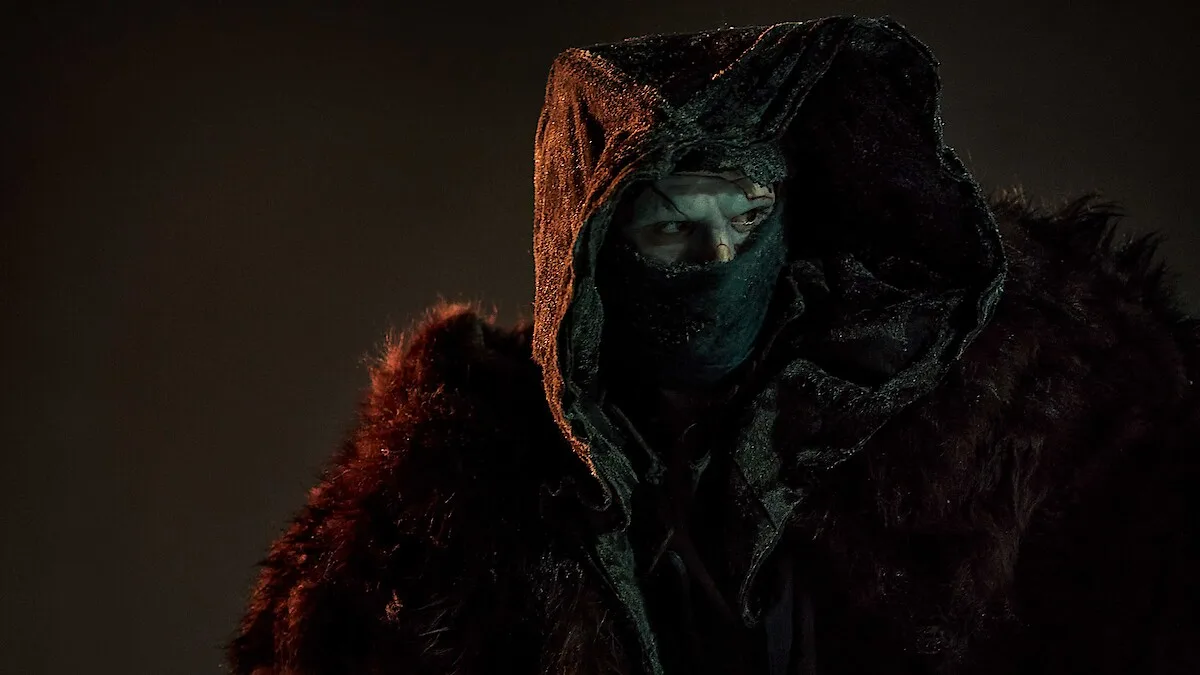
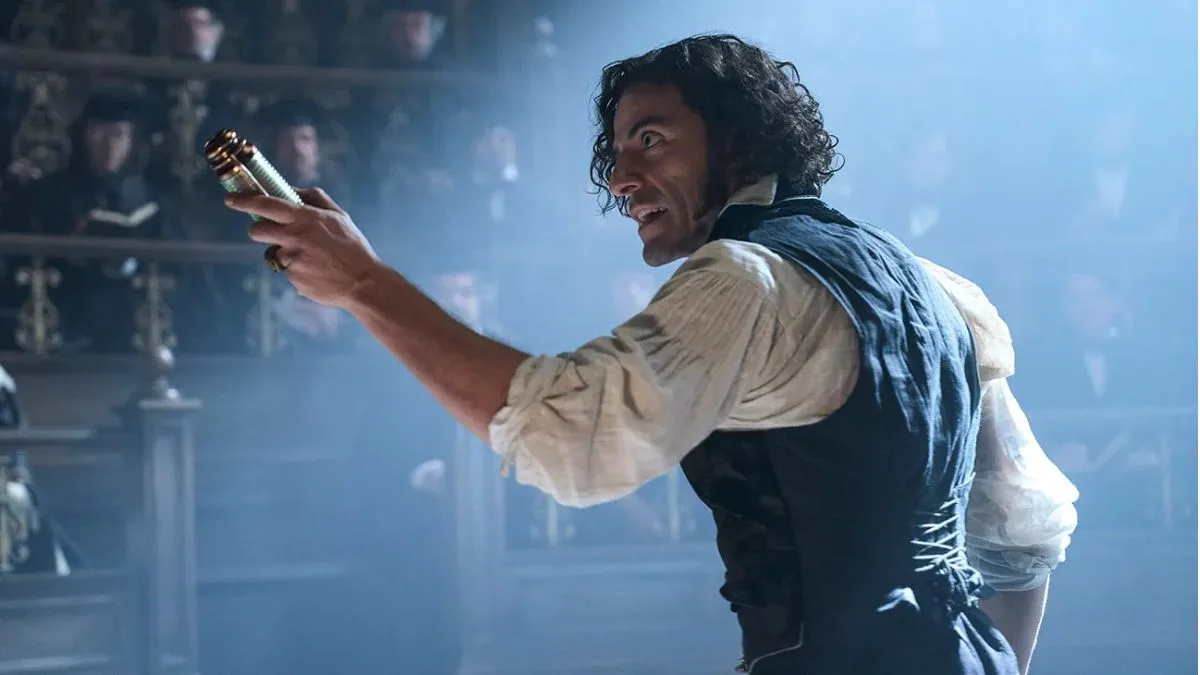
Throughout the two-hour-thirty-minute runtime, Frankenstein 2025 is not interested in delivering a faithful page for page adaptation of Mary Shelley’s revolutionary novel. Guillermo Del Toro has created a love letter to his favourite book and he has offered it humbly to its creator as an invitation for a dialogue between two points of view on the same story. It mimics the very structure of the movie – split in two distinct points of view, one of Victor Frankenstein (Oscar Isaac) and one of the Creature (Jacob Elordi). Nonetheless, Del Toro refuses to indulge in shallow lessons. The movie is not waving a proverbial finger in the face of the audiences, blaming them for how the Creature has been treated by the mainstream for the better part of a century. Instead, he humanizes it. He offers it the dignity of telling its own tale, allowing the viewer to gain a new connection, new reflection of themselves through the stellar performance of Elordi, who embodies the Creature from beginning to end.
And while the movie invites everyone to get acquainted with the tale, it does not forget to reward those who have loved this story for a long time. It does so by incorporating a plethora of details and callbacks to other iterations, such as the sleeves on the wedding dress of Elizabeth Harlander (Mia Goth) being a call back to the Bride of Frankenstein (1935) and the very inclusion of the ice scenes.
However, that does not mean that the movie is too thinly spread by the iconic status of its titular characters to have a core. Del Toro keeps a sharp focus on the cycles of familial abuse and what it takes to break them. Oscar Isaac presents a Victor Frankenstein that is not mad by default. He feels painfully human. His cruelty is not excused by some genius illness or circumstance, it simply is – raw, flawed, carrying the undying consequences of his own grandeur. It is a blood chilling portrayal of how twisted the notion of a human can be. It is fundamentally opposed by Jacob Elordi’s performance as The Creature, which while ‘not a man’ by definition or look, carries the moral of the movie. He works his way into the sympathies of the audience posing nothing but the question: ‘If I can feel love, rage, betrayal and forgiveness, am I not just as human as any of you?’ And Del Toro gives his own answer to that question in the face of Elizabeth Harlander, played by Mia Goth.
Unlike her book counterpart, Elizabeth Lavenza, forced to exist within the bounds of Victor’s unreliable narration, Elizabeth Harlander exists to fully and unapologetically be the beating heart through which Del Toro answers The Creature’s question: He is human and he is as worthy of love as anyone else in the world.
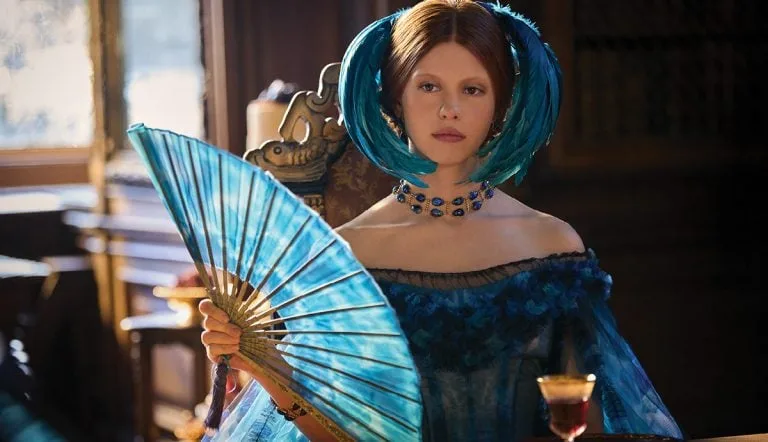
Elizabeth’s relationship to Victor is cut and dry, her denial of his feelings – final. She strives to be seen in a world that desires to possess and parade her in the same way the archival Tiffany jewels hang around her neck. It is in The Creature that Elizabeth is freed. Their relationship is left purposefully open to interpretation in its nature, but not in its foundation: she is a creature in her own right having found a companion in whose eyes she feels seen and respected. What we, the audience, do with that information is up to us.
In the fierce battle for my attention span, Guillermo Del Toro’s Frankenstein won the old way – through the love and dedication to the craft of filmmaking. Amongst the performances, sets and score that are all well deserving for a consideration during award season, Guillermo Del Toro sold me a heartbreaking, but hopeful fairytale. He tucked me in, read his tale, turned the lights off and then left, so I can reach my own conclusions. I didn’t feel underestimated by the filmmaker. He trusted my intellect enough to let go of me as soon as the movie ended. And yet, for the last 16 days, this movie has bewitched me, body and soul.
It has led me back to the source material, back to Mary Shelley and her Frankenstein, with whom I’m now spending my evenings chapter after chapter. And I imagine she will lead me back to Del Toro and so, again and again, they will exist forever as companions in this world. What better fate for a movie than that?


Comments
Comments are closed.