Top 10 DC Comics Series of 2025
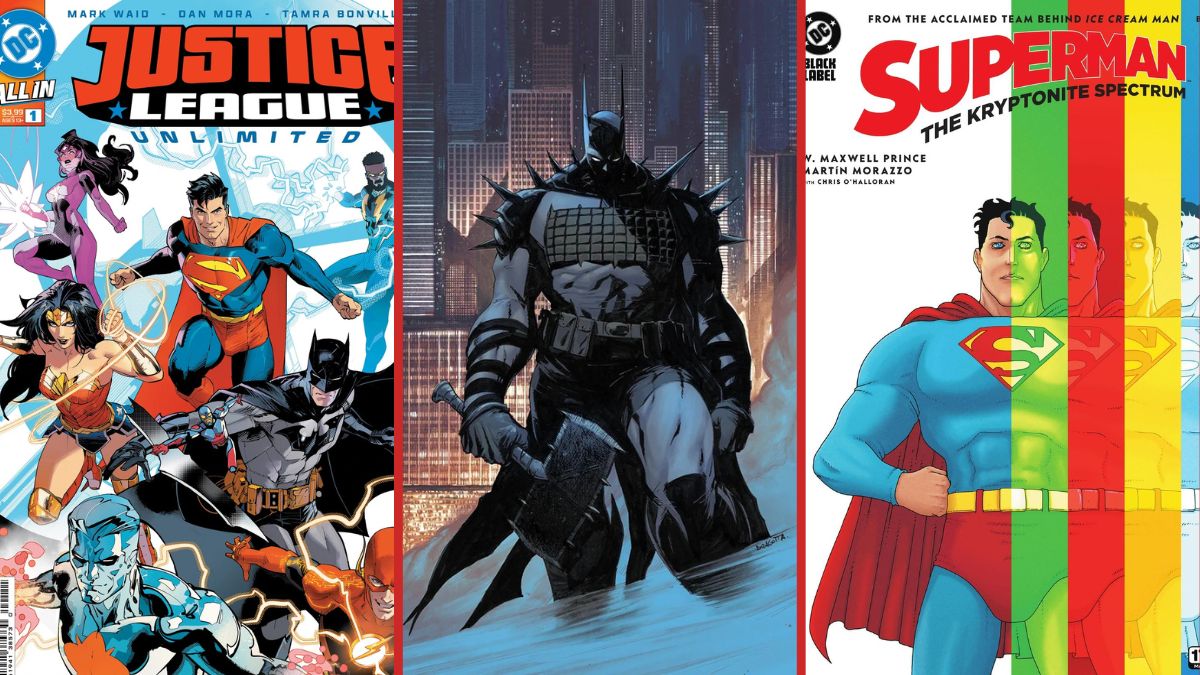
Which DC comics from 2025 do we consider essential reading? Join us as we count down our top 10.
2025 marked one of DC Comics most confident and creatively coherent years in recent memory. Rather than chasing short-term spectacle or event-driven escalation, the publisher committed to a clear philosophical split: radical experimentation through the Absolute line alongside steady, character-focused stewardship in its core ongoings. The result was a slate that rewarded both risk and restraint, deploying reinvention where it mattered and continuity where it still carried weight.
From formally daring uses of the medium to quieter reaffirmations of legacy heroes, DC’s output this year felt deliberate, self-aware, and unusually assured. The following list reflects the titles that didn’t merely stand out in isolation, but collectively defined how DC chose to move forward in 2025.
10. Justice League Unlimited
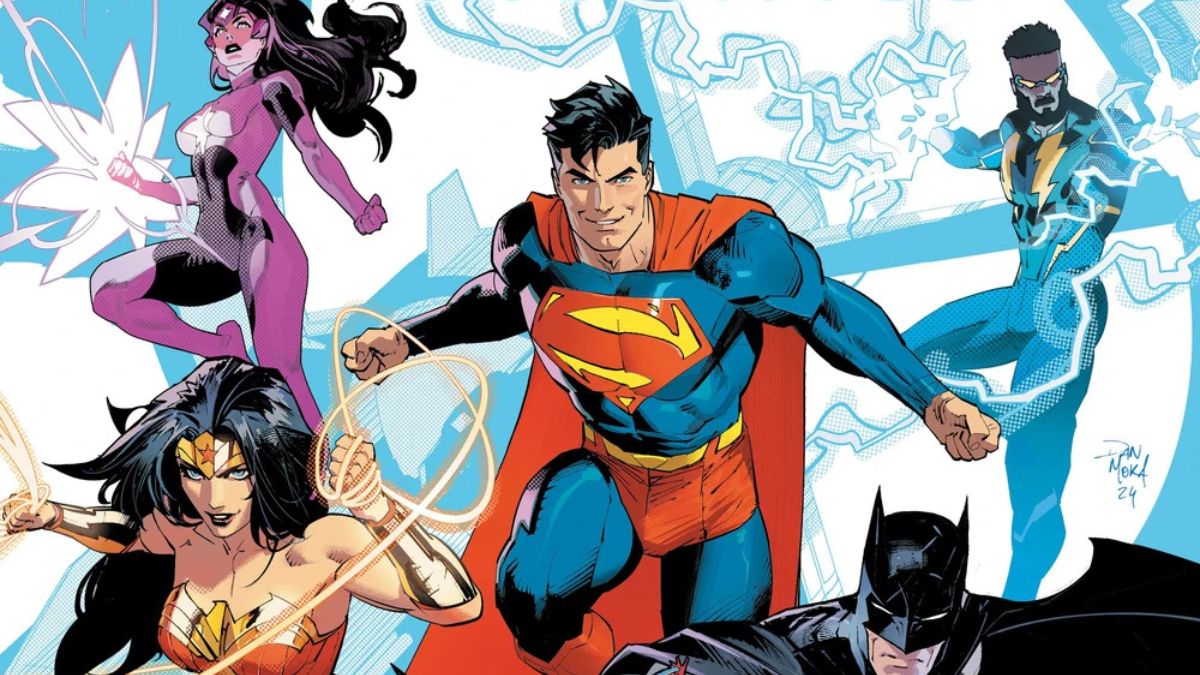
Justice League Unlimited succeeds as a back-to-basics ensemble book that values clarity, scale, and cohesion over formal experimentation. By treating the League as a functioning institution with a rotating spotlight, the series balances accessibility with continuity awareness.
Though it lacks the daring of DCs more experimental titles, that conservatism feels intentional, positioning the book as a stabilising pillar within the line. In a year defined by reinvention, Justice League Unlimited earns its place through confidence, structure, and respect for collective heroism.
9. Superman (2023–present)
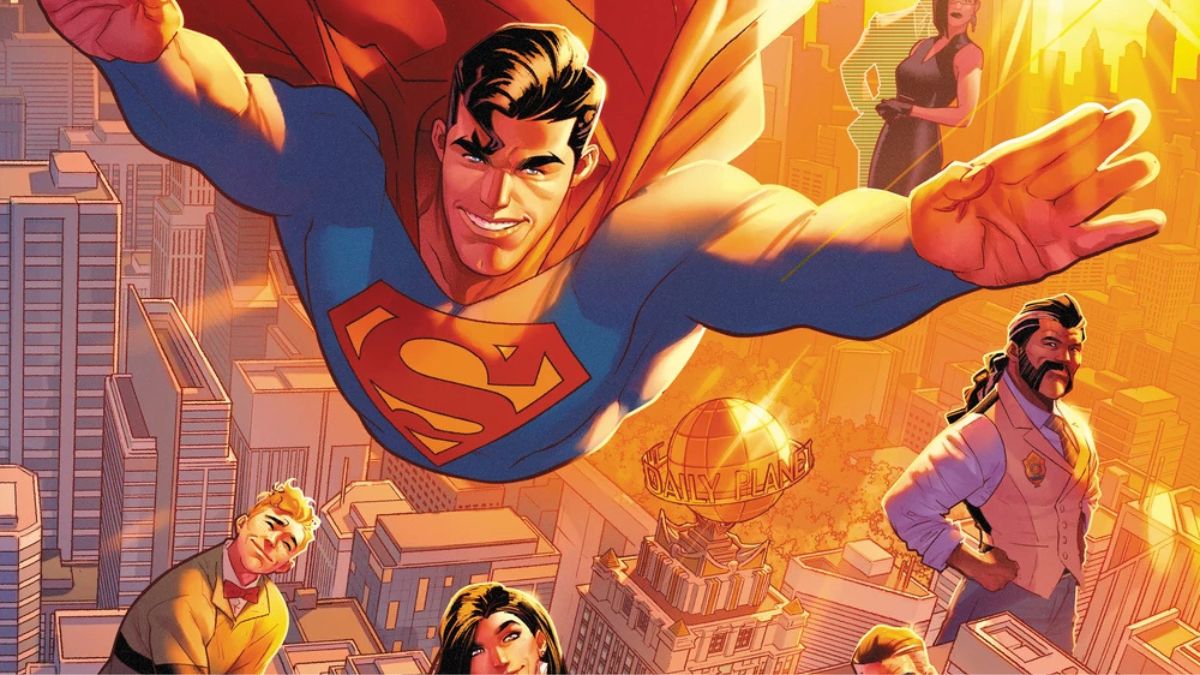
Superman continued through 2025 as one of DC’s most dependable and emotionally sincere ongoings. Rather than chasing escalation or reinvention, the series finds strength in human-scale storytelling, journalism, family, and community anchoring larger conflicts.
While it plays things safely compared to the Absolute line, that restraint feels purposeful, positioning the book as a moral centre during a period of experimentation. It may not redefine the character, but it consistently reaffirms why he matters.
8. Aquaman
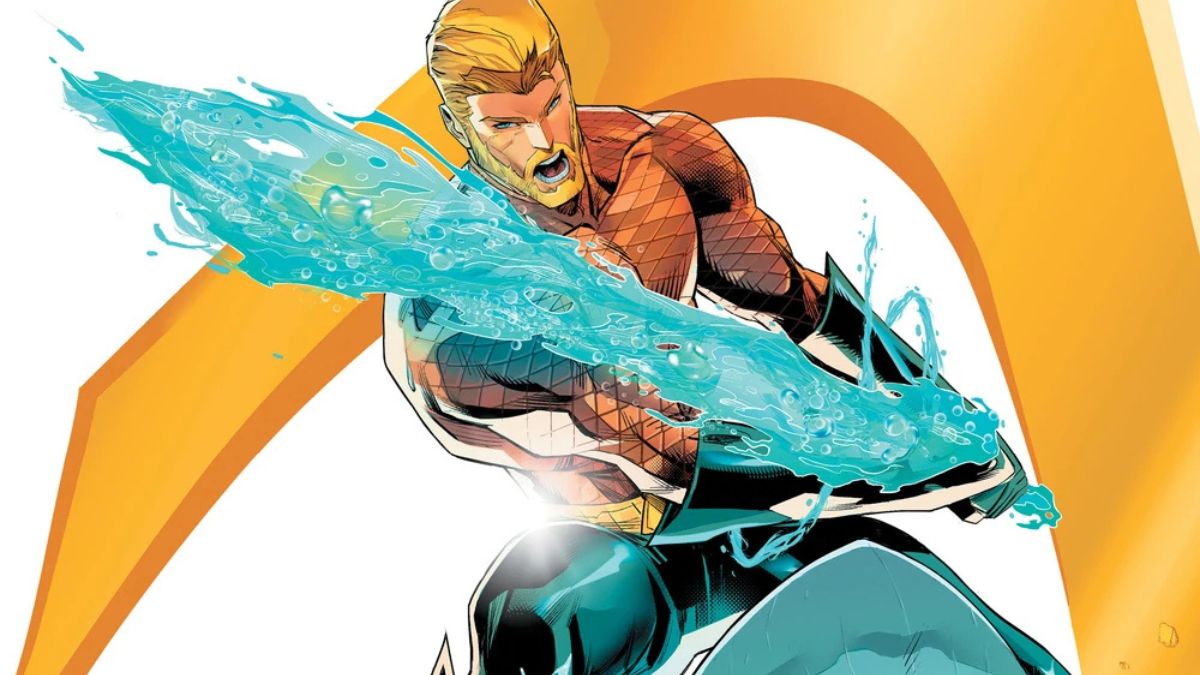
Aquaman earned its strongest reception in years by restoring mythic weight and political consequence to the character. Atlantis is treated as a contested civilisation rather than a decorative backdrop, with ecological tension and diplomacy driving the narrative forward.
Arthur Curry is framed less as a symbol of power and more as a ruler burdened by responsibility, grounding the series’ high-concept worldbuilding in personal cost. Dense lore and measured pacing may challenge casual readers, but the book rewards investment with thematic clarity and long-term coherence.
7. Superman: The Kryptonite Spectrum
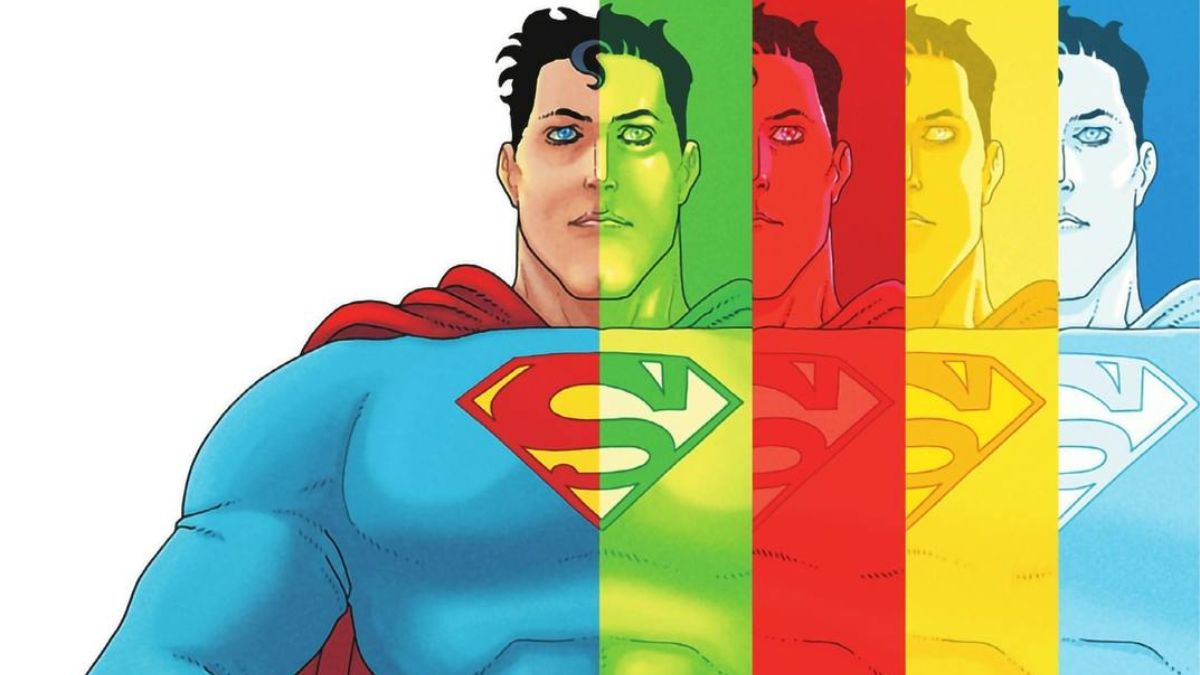
Superman: The Kryptonite Spectrum approaches vulnerability with restraint, using Kryptonite not as a gimmick but as a thematic framework. Each variation reflects a different moral or emotional pressure placed on Clark Kent, shifting the focus from physical danger to ethical uncertainty. The anthology-like structure can feel episodic, but its strength lies in accumulation rather than individual highs.
In a year dominated by radical reinvention, The Kryptonite Spectrum reaffirms why Superman endures, not because he is invulnerable, but because compassion remains a choice when certainty is stripped away.
6. Absolute Flash
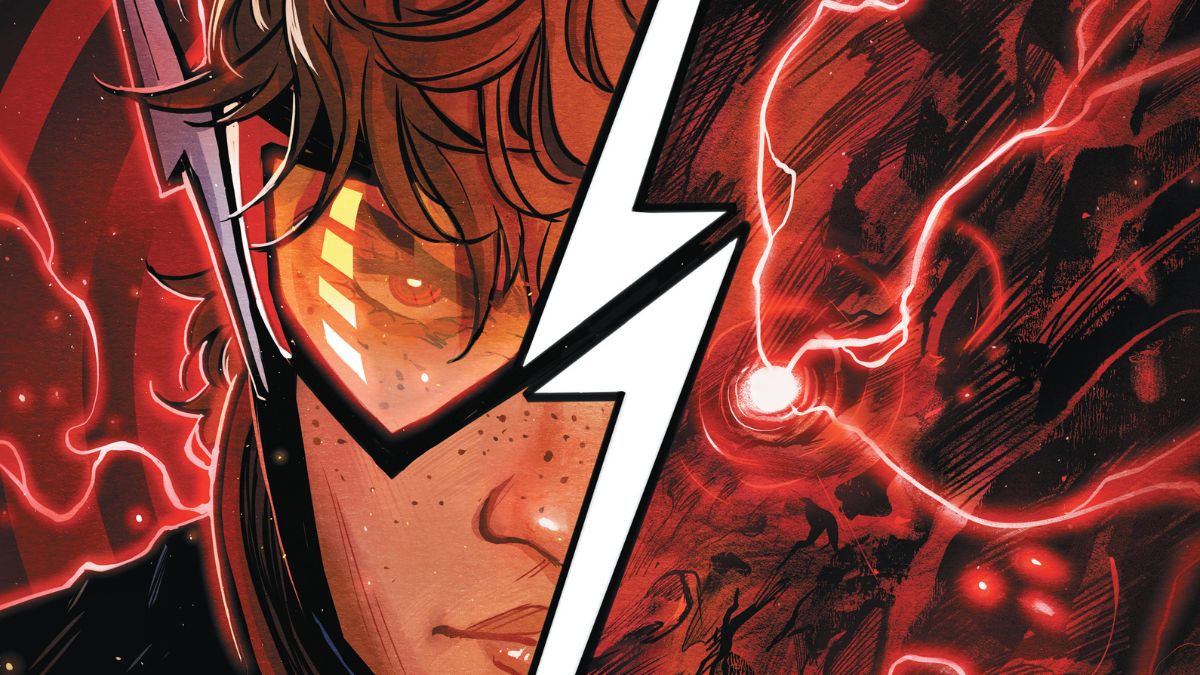
Absolute Flash distinguishes itself by reframing speed not as freedom or spectacle, but as trauma, destabilising, corrosive, and identity-altering. Fractured layouts and kinetic pacing mirror the protagonist’s distorted perception of time, reinforcing the book’s psychological core through form as much as content. While moments of abstraction occasionally soften clarity, they never undermine engagement. Instead, the series succeeds as a conceptual reinvention that challenges long-held assumptions, offering a Flash defined by consequence rather than momentum.
5. Supergirl
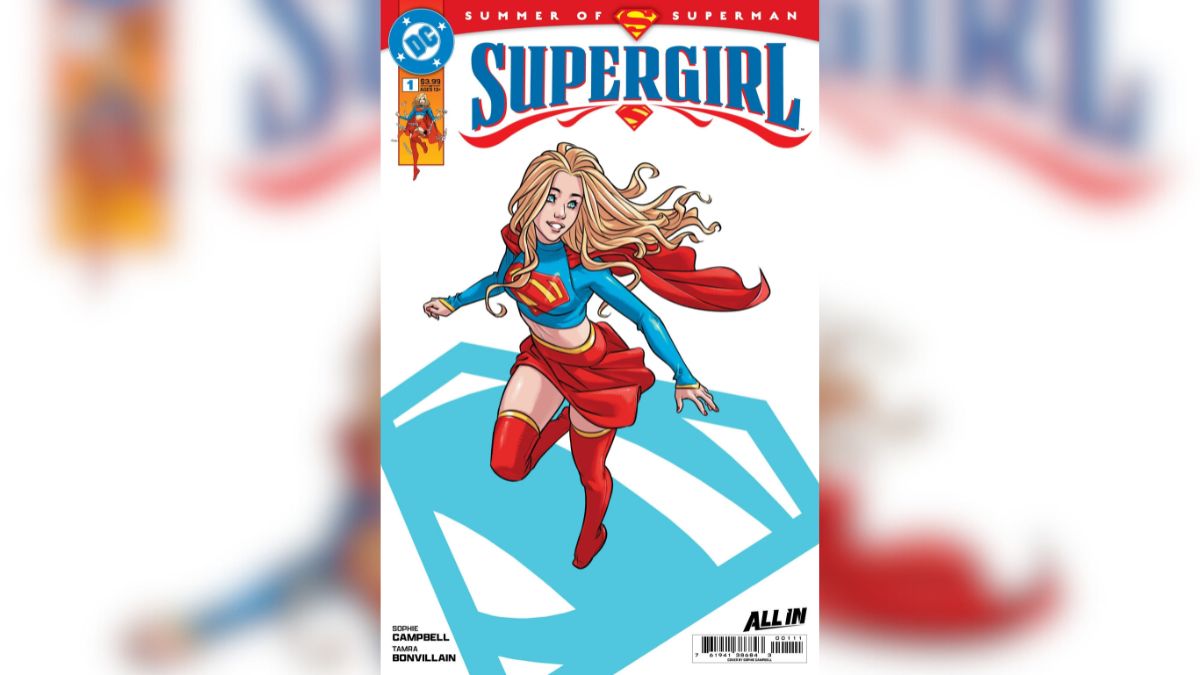
Supergirl stands out in 2025 for allowing Kara Zor-El to exist fully outside Superman’s gravitational pull. The series centres her emotional autonomy, grief, anger, displacement, and survival, and allows those forces to shape the narrative without smoothing their edges.
The writing embraces Kara’s imperfections, while the art reinforces intimacy through expressive body language and restrained scale. Though the pacing favours introspection over propulsion, that choice feels deliberate and aligned with the book’s goals. More than reinvention, Supergirl reads as reclamation: one of the year’s most emotionally grounded and affirming character studies.
4. Absolute Superman
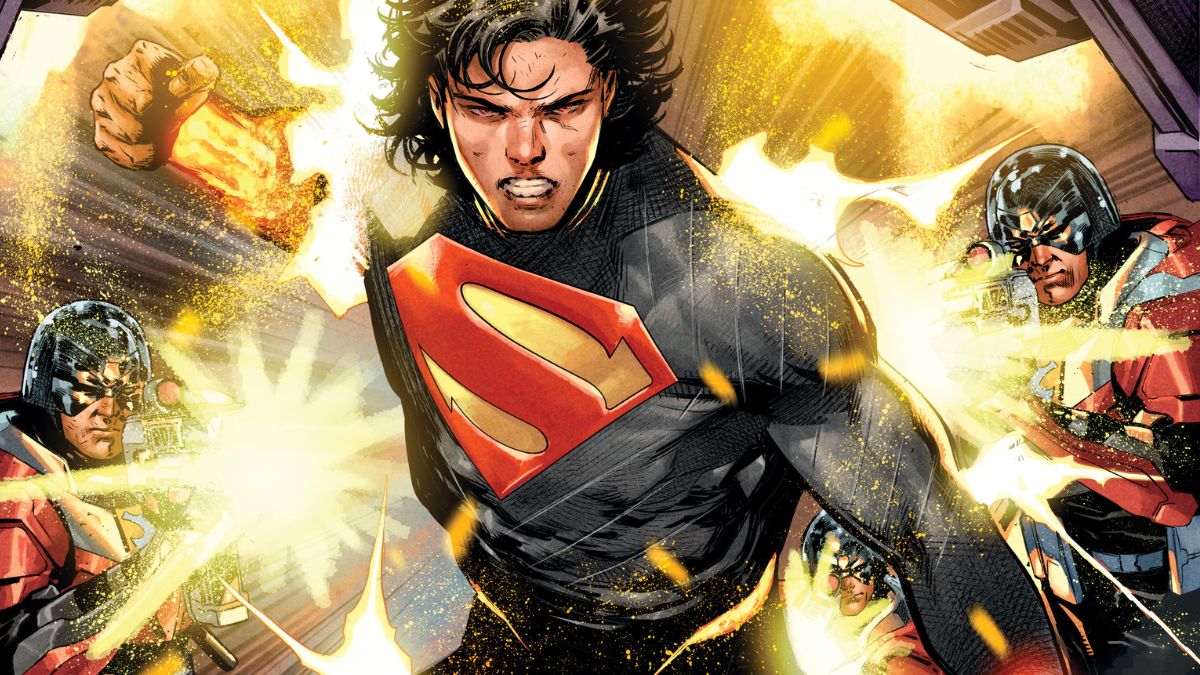
Absolute Superman emerged as one of DC’s most divisive yet compelling titles of 2025, pushing the Man of Steel into darker, more introspective territory without abandoning his core ideals. Jason Aaron and Rafa Sandoval emphasise vulnerability and existential pressure, using mood, suspense, and striking visuals to humanise a godlike figure.
While some readers noted pacing issues or moments where Superman’s agency recedes, that trade-off feels intentional rather than accidental. The result is a reinvention that reframes strength through endurance rather than dominance, uneasy at times, but coherent, confident, and emotionally grounded.
3. Absolute Batman

Absolute Batman succeeds because it commits fully to reinvention instead of orbiting familiar ground. By stripping Bruce Wayne of wealth, the series reframes Batman as a working-class figure shaped by systemic failure rather than inherited privilege, instantly grounding the character in a modern context. Gotham becomes less a city plagued by monsters and more a machine that creates them, with shared trauma binding Bruce and his future rogues in unsettling ways.
Crucially, the no-kill rule anchors the extremity, ensuring the book never collapses into nihilism or empty brutality. Paired with bold, destructive art that rejects visual safety, Absolute Batman feels relevant, dangerous, and morally intact, a true reinvention, not a louder remix.
2. Absolute Martian Manhunter
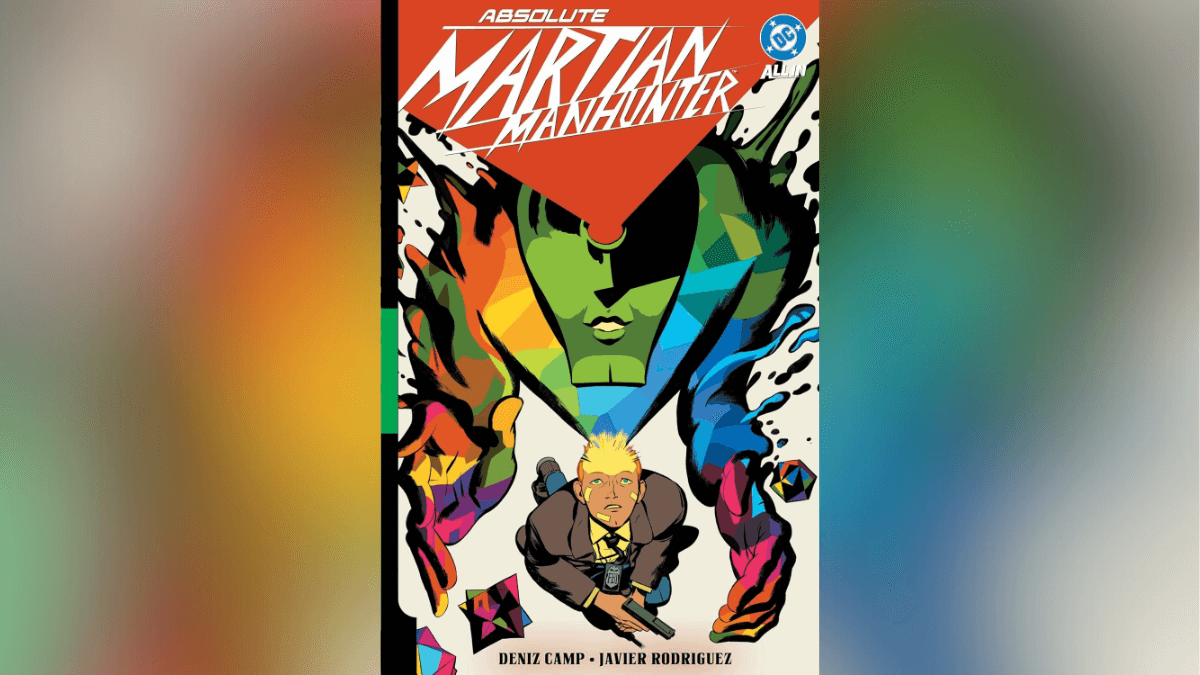
Absolute Martian Manhunter is the boldest artistic swing in DC’s 2025 slate, prioritising sensation, psychology, and form over comfort or familiarity. Deniz Camp’s script trusts ideas rather than exposition, while Javier Rodríguez’s art carries enormous narrative weight through colour, layout, and design that actively reshape how the story is read.
The result feels alien not just in subject, but in experience. While its slow-burn structure and hyper-stylisation can make individual issues feel elusive in isolation, the cumulative effect is deeply rewarding. This is reinvention through medium rather than spectacle, a book that earns its place by making the reader experience alienation rather than simply observe it.
1. Absolute Wonder Woman
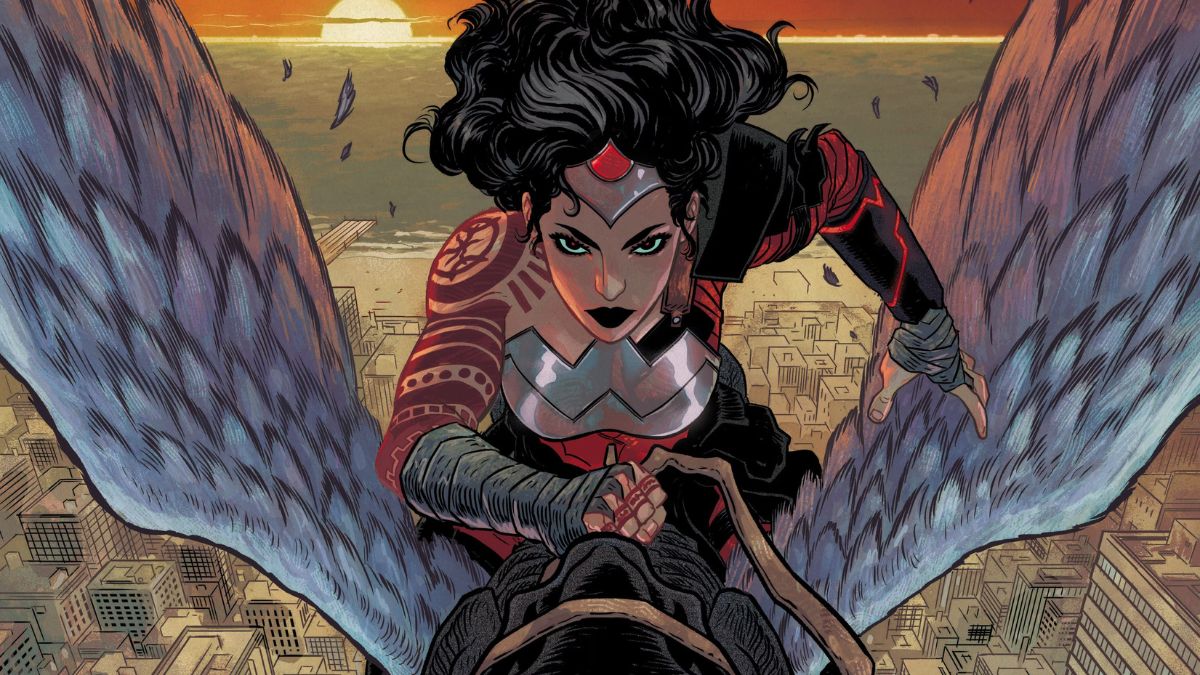
Absolute Wonder Woman stands as the most fully realised title in DC’s Absolute line because it finally delivers something the character has too often lacked: coherence. By embracing a darker, Hell-forged origin, the series deepens Diana’s emotional complexity without eroding her compassion, grounding her power in cost, responsibility, and consequence. This is not darkness for spectacle’s sake, but a recalibration that gives Wonder Woman moral weight rather than mythic distance. Violence, magic, and heroism leave visible scars here, and that friction is the book’s strength.
Ambitious, confident, and visually elevated, Absolute Wonder Woman doesn’t just reimagine Diana for a new universe, it finally allows her to reach her full potential.
Verdict
Taken together, DC’s strongest books of 2025 suggest a publisher that has rediscovered trust, in its creators, in its readers, and in the flexibility of its own mythology. The success of the Absolute line shows that reinvention can thrive when it is guided by intent rather than novelty, while the stability of the core ongoings proves there is still value in stewardship over constant disruption.
As DC moves into 2026, the challenge will not be escalation, but balance: knowing when to push the form forward and when to let characters breathe. If this year is any indication, DC is finally positioned to do both with confidence rather than correction.



No Green Arrow is crazy