Fans Petition for ‘The Legend of Aang: The Last Airbender’ to Hit Cinemas After Release Cancellation
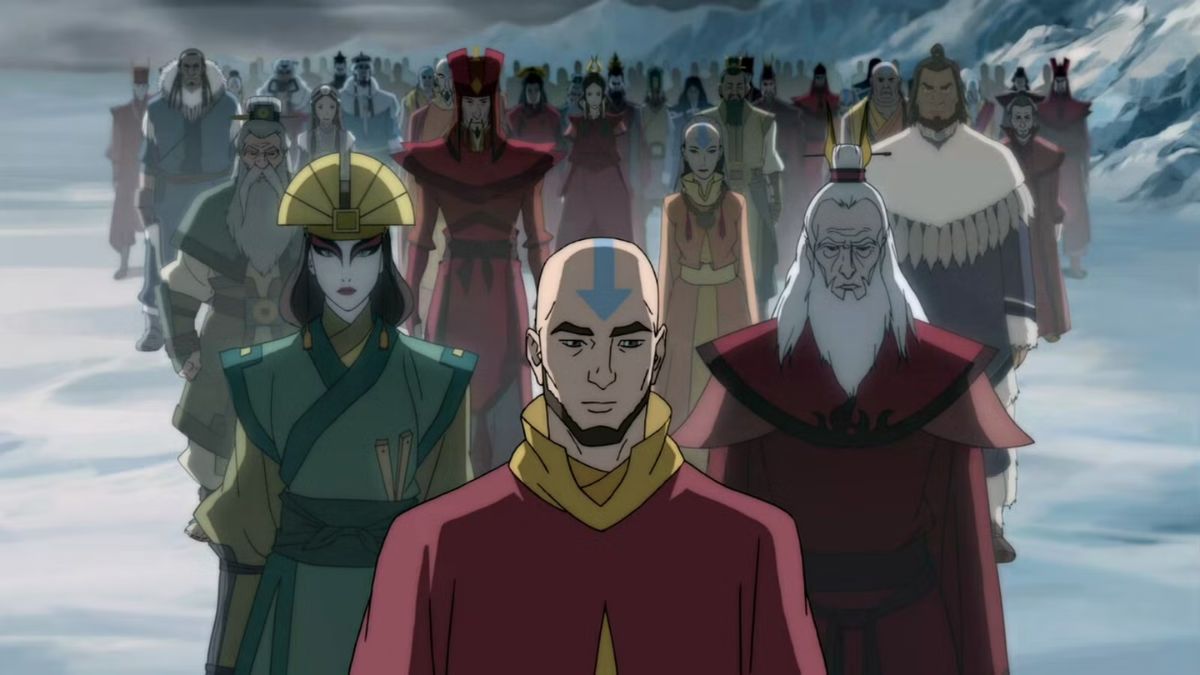
When Paramount confirmed that The Legend of Aang: The Last Airbender would no longer receive a traditional theatrical release, fans were quick to voice their disappointment. What was initially framed as a cinematic moment for one of the most beloved animated franchises of all time was quietly rerouted to streaming, sparking widespread backlash and a growing petition demanding the film be given the theatrical debut many believe it deserves.
For fans of Avatar: The Last Airbender, this is not simply a question of where the film is watched. The original series holds a rare place in television history, praised for its world building, emotional depth, and ability to tackle themes of war, identity, and morality. A theatrical release would acknowledge that legacy and elevate the story beyond the boundaries of episodic television. Seeing Aang’s journey unfold on a massive screen would transform the film into a communal event rather than another option in an endless streaming queue.
The difference between cinema and streaming is not just visual. The theatrical experience invites audiences to fully commit to a story. In a theater, viewers are present, undistracted, and emotionally connected to the room around them. That shared engagement is part of what makes film feel meaningful. Reducing The Legend of Aang to a streaming exclusive risks flattening a story designed for scale, spectacle, and emotional resonance.
The fan response also highlights a larger shift within the entertainment industry. Studios are increasingly prioritizing streaming platforms over cinemas, often redirecting films that were clearly designed for theatrical exhibition. While streaming offers convenience and accessibility, it has also blurred the line between cinematic storytelling and disposable content. In this landscape, films are consumed quickly and forgotten just as fast.
Many fans view this trend as an attack on the traditional film experience. Theaters have long been cultural gathering spaces where stories are shared collectively. When studios bypass cinemas, they chip away at that tradition and signal that the communal nature of film is no longer a priority. For franchises with passionate, multigenerational audiences, that decision can feel dismissive.
The petition for The Legend of Aang reflects a growing desire among audiences to reclaim cinema as an event. Fans are not rejecting streaming altogether. Instead, they are asking for balance and intention. Some stories are built for the intimacy of home viewing. Others demand immersion. This film falls firmly into the latter category.
A theatrical release could also shift how animated properties are treated within the industry. Too often, animation is undervalued despite its creative ambition and cultural impact. Giving The Legend of Aang a proper cinema run would reinforce the idea that animated storytelling deserves the same respect as live action blockbusters.
Ultimately, this movement is about more than one release decision. It is about what audiences expect from studios and what they are willing to fight for. Fans are making it clear that they want more than convenience. They want intention, scale, and shared experience. In an era increasingly dominated by streaming, the demand for The Legend of Aang to hit theaters stands as a reminder that some stories are meant to be experienced together, in the dark, on the biggest screen possible.